Abu Dhabi’s decision to freeze rent increases across residential, commercial and industrial properties has sparked debate across the UAE real estate sector, with tenants welcoming the move and industry professionals questioning whether Dubai could eventually follow suit.
The new directive from the Abu Dhabi Real Estate Centre (ADREC) reduces the permitted annual rent increase from 5% to 0%, preventing landlords from raising rents on lease renewals and requiring new leases on previously rented properties to match the last registered rental value.
For tenants, the measure offers immediate relief after a period of sustained rental growth. But while affordability is the headline benefit, the wider market implications remain less clear.
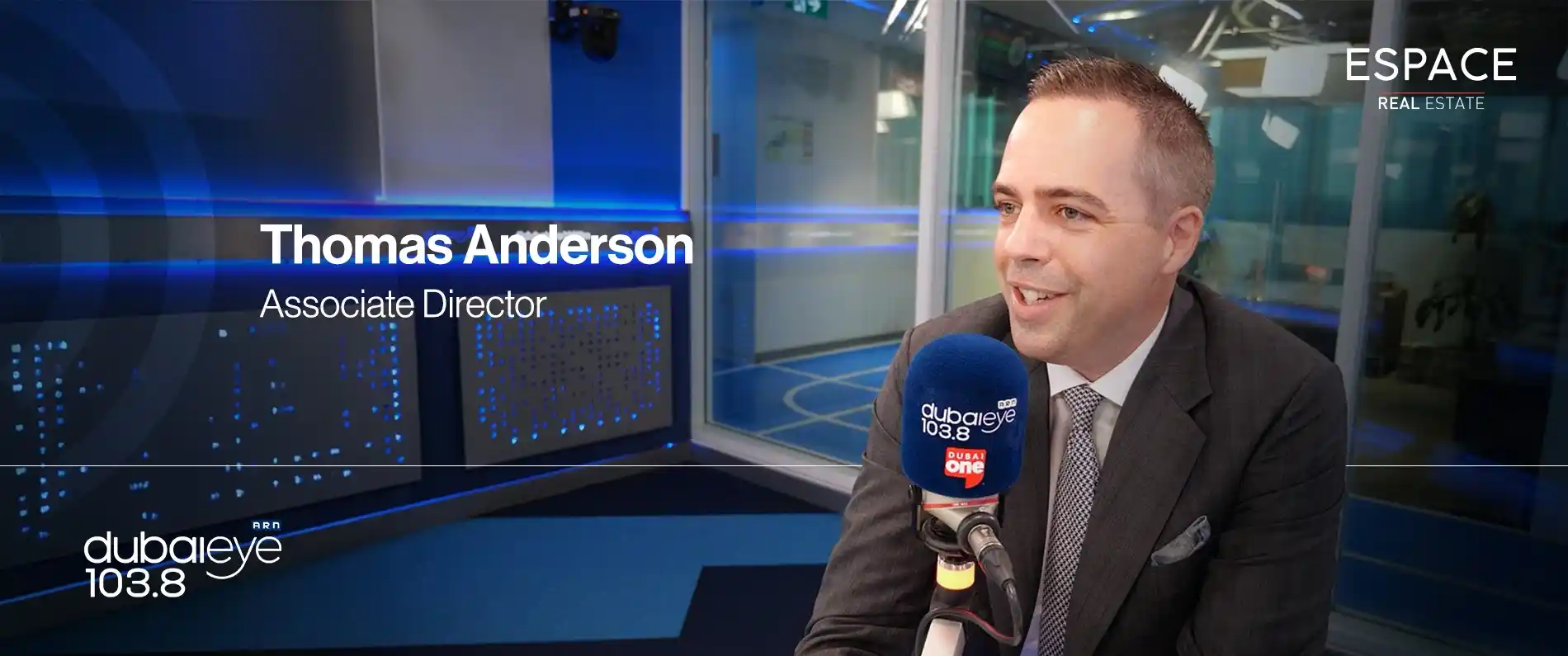
Speaking on Dubai Eye’s Business Breakfast, Thomas Anderson, Sales Manager at Espace Real Estate, described the announcement as a surprise across the UAE property sector.
“I think it came as a big surprise, if I’m honest, across all of the Emirates,” he said.
Despite the unexpected nature of the decision, Anderson believes the move could provide much-needed certainty for Abu Dhabi residents and businesses.
“It’s really good to see for Abu Dhabi, particularly for tenants, after a period of uncertainty. It gives them a little bit of stability in the short to medium term,” he explained.
The biggest question emerging from the announcement, however, is whether Dubai could introduce a similar policy.
According to Anderson, the two markets operate under very different conditions.
“Dubai has a lot more international investment within the market, and traditionally returns on investment have been exceptionally strong,” he said. “We must remember as well that the Dubai rental market is already quite well regulated through the RERA Rental Index and the Smart Rental Index introduced last year.”
Those regulatory frameworks already limit excessive rental increases by linking rent adjustments to market benchmarks, making a blanket rent freeze less likely in the short term.
“At the moment, we’re not expecting it to happen,” Anderson said. “But the Abu Dhabi announcement caught everyone by surprise, so you can never completely rule anything out.”
The contrast between the two emirates highlights the different challenges facing each market. While Abu Dhabi’s intervention is aimed at improving affordability and stabilising costs, Dubai’s focus remains on balancing tenant protections with maintaining investor confidence in one of the region’s most internationally driven real estate markets.
For now, Abu Dhabi’s rent freeze offers immediate certainty for residents and businesses. Whether it becomes a blueprint for future regulation elsewhere in the UAE remains to be seen, but it has already succeeded in starting a wider conversation about affordability, market stability and the future direction of the country’s rental sector.
Watch the full discussion on Dubai Eye here: